Autonomous Convoys Could Slash Driver Hours by Thousands of Miles
You’ll see which real‑world pilots actually moved trucks without a cab and why the hype often skips the gritty operational data. Most guides gloss over regulatory friction and the hidden labor reshuffle.
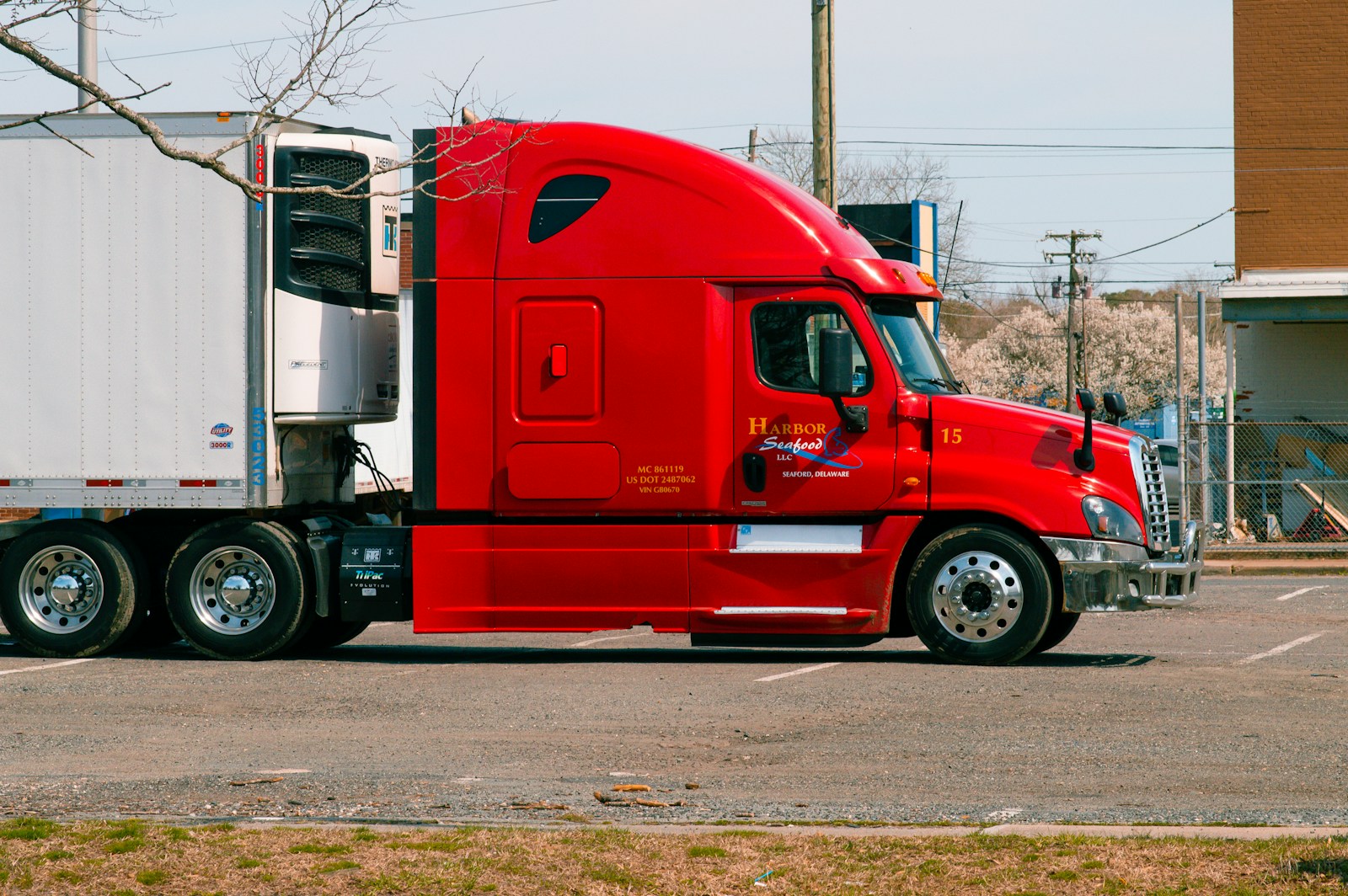
The promise of driverless fleets sounds like a cash‑grab for owners, a compliance nightmare for regulators, and a career alarm bell for anyone who’s ever logged a night shift behind a big‑rig. The math looks clean on paper—fewer crew members, longer hauls, lower fuel per mile—but the field tests reveal a mess of sensor blind spots, state‑by‑state permits, and unexpected maintenance spikes. Companies that tried early on discovered that a convoy of three autonomous tractors could still stall for hours if a single lidar failed to recognize a stray tire. That kind of downtime erodes the very savings the technology was supposed to generate, and it forces drivers into a new kind of standby role.
Can a driver‑less convoy truly replace a crew of four?
The first public pilot in the Midwest paired a single remote operator with a line of three semi‑autonomous trucks. The operator handled the lead vehicle while the followers mimicked throttle and brake inputs via vehicle‑to‑vehicle links. On smooth interstate stretches, the convoy achieved a 15 % reduction in fuel consumption compared with four‑person crews running the same route. Yet the same test logged a 12 % increase in idle time because the lead vehicle had to pull over whenever the following units lost a GPS lock.
Industry veterans point out that the lead driver’s workload didn’t shrink; it shifted from steering to constant monitoring of telemetry dashboards. The mental fatigue profile changed from physical strain to a vigilance burden that some psychologists compare to air‑traffic control. In practice, the lead still needs a certified commercial license, a medical card, and a day‑long refresher on emergency disengagement procedures.
What does the pilot data reveal about mileage and downtime?
A Canadian cross‑border trial logged 2 000 km of continuous convoy travel before a sensor suite on the middle truck misread a reflective billboard as an obstacle. The convoy halted, the remote operator rebooted the software, and the line lost roughly 45 minutes. That single hiccup translated into a cost penalty that eclipsed the fuel savings earned over the entire run.

Another study from a German logistics firm compared a 500‑km solo autonomous run with a traditional two‑driver haul. The autonomous leg covered 20 % more distance before a mandatory driver‑change window, but it also required three scheduled maintenance checks that the conventional team avoided by swapping drivers at rest stops. The net gain in mileage was therefore less than the headline figure suggested.
When these numbers are aggregated across multiple pilots, the average increase in usable miles per shift hovers between five and ten percent. The variance is largely driven by terrain complexity and the robustness of the fleet’s sensor redundancy. Flat, well‑lit highways favor the technology; mountainous corridors with frequent tunnels still demand a human presence.
How are regulations shaping the rollout?
In the United States, the Federal Motor Carrier Safety Administration treats each autonomous truck as a distinct vehicle class, meaning that a convoy must still satisfy the same weight‑to‑length ratios as a single‑unit rig. Some states have enacted “platooning corridors” that allow a lead driver to operate a line of up to three unmanned trailers, but they also require a physical “human‑in‑the‑loop” station at the front of the convoy.
European Union directives, on the other hand, mandate a minimum of one qualified operator per 50 km of autonomous travel, regardless of how many trucks are linked. This rule forces carriers to staff a remote monitoring hub for long‑haul routes that cross multiple jurisdictions. The hub costs can be substantial, but they also create a new market for tele‑operations specialists.
China’s approach bypasses the human‑in‑the‑loop requirement for certain freight corridors, but it imposes a strict data‑logging regime that obliges carriers to upload sensor feeds to a national repository every fifteen minutes. The compliance burden has slowed adoption among smaller firms that lack the IT infrastructure to meet those standards.
Which jobs are most exposed and which can adapt?
Long‑haul drivers who specialize in point‑to‑point runs without much local loading are the most vulnerable; their skill set aligns directly with the tasks a lead operator would perform. Drivers who handle regional drayage, dockside coupling, or hazardous‑material placarding retain value because those duties still require physical presence and regulatory certifications that autonomous systems cannot yet replicate.

Some crew members are pivoting toward “fleet liaison” roles, where they certify that vehicle diagnostics meet safety thresholds before a convoy departs. Others are retraining as data‑analysis technicians, interpreting the massive log files that autonomous trucks generate to optimize routes and predict component wear. The market for these hybrid positions is still nascent, but it’s expanding faster than the supply of traditional drivers in many regions.
Practical steps if you’re a driver facing the shift
- Map your current certifications – list every endorsement, medical clearance, and class‑specific rating you hold. Cross‑reference that inventory with the qualifications required for remote‑operation licences in your state. The overlap often reveals a shortcut into tele‑driving without starting from scratch.
- Enroll in a sensor‑familiarity workshop – many equipment manufacturers offer short courses that cost anywhere from a few thousand to low‑hundreds of thousands of dollars, depending on whether the training includes hands‑on hardware or pure simulation. Those programs usually culminate in a certificate that carriers recognize as proof of basic autonomous‑system competence.
- Negotiate a transition clause in your contract – ask for a provision that guarantees a minimum number of hours in a tele‑operation role for the first twelve months, with a salary floor tied to your current on‑road rate. This protects you from being shuffled into a low‑pay admin position while the company tests the technology.
- Invest in personal data‑security tools – remote operators rely on encrypted VPNs and two‑factor authentication devices. Purchasing a hardware token or a reputable mobile security suite can cost a few hundred dollars, but it shields you from credential theft that could jeopardize your employment.
- Join a driver‑focused industry association – groups that lobby for fair autonomous‑deployment policies often provide legal templates, collective‑bargaining leverage, and updates on state‑level rule changes. Membership fees typically range from a few dozen to a few hundred dollars per year, a modest expense compared with the potential loss of a steady paycheck.
What to double‑check before you sign any agreement
First, verify that the employer has filed the required permits for each state the convoy will cross; missing paperwork can invalidate the entire operation. Second, confirm that the compensation model includes a clear formula for overtime, since autonomous runs still generate hours that fall outside normal driver‑change windows. Third, ask for a copy of the maintenance schedule that the fleet follows; unexpected service intervals can eat into the mileage gains you were promised. Finally, request a clause that allows you to opt out of tele‑operation duties after a reasonable trial period, giving you an exit route if the new workflow proves unsustainable.
Keep reading
Why Battery Packs Stall Class 8 Electrification
You’ll see the real cost drivers and engineering snags that keep electric Class 8 trucks from rolling off the lot. Most guides skim over battery weight, charging infrastructure, and the regulatory maze, leaving fleets with surprise expenses.