How Sleeper Cabs Vanished in a Decade
Readers discover the economic, regulatory, and engineering forces that birthed the 1970s sleeper‑cab craze and why most retrospectives miss the hidden cost spiral. The piece also shows how those forces echo in today’s rig designs.
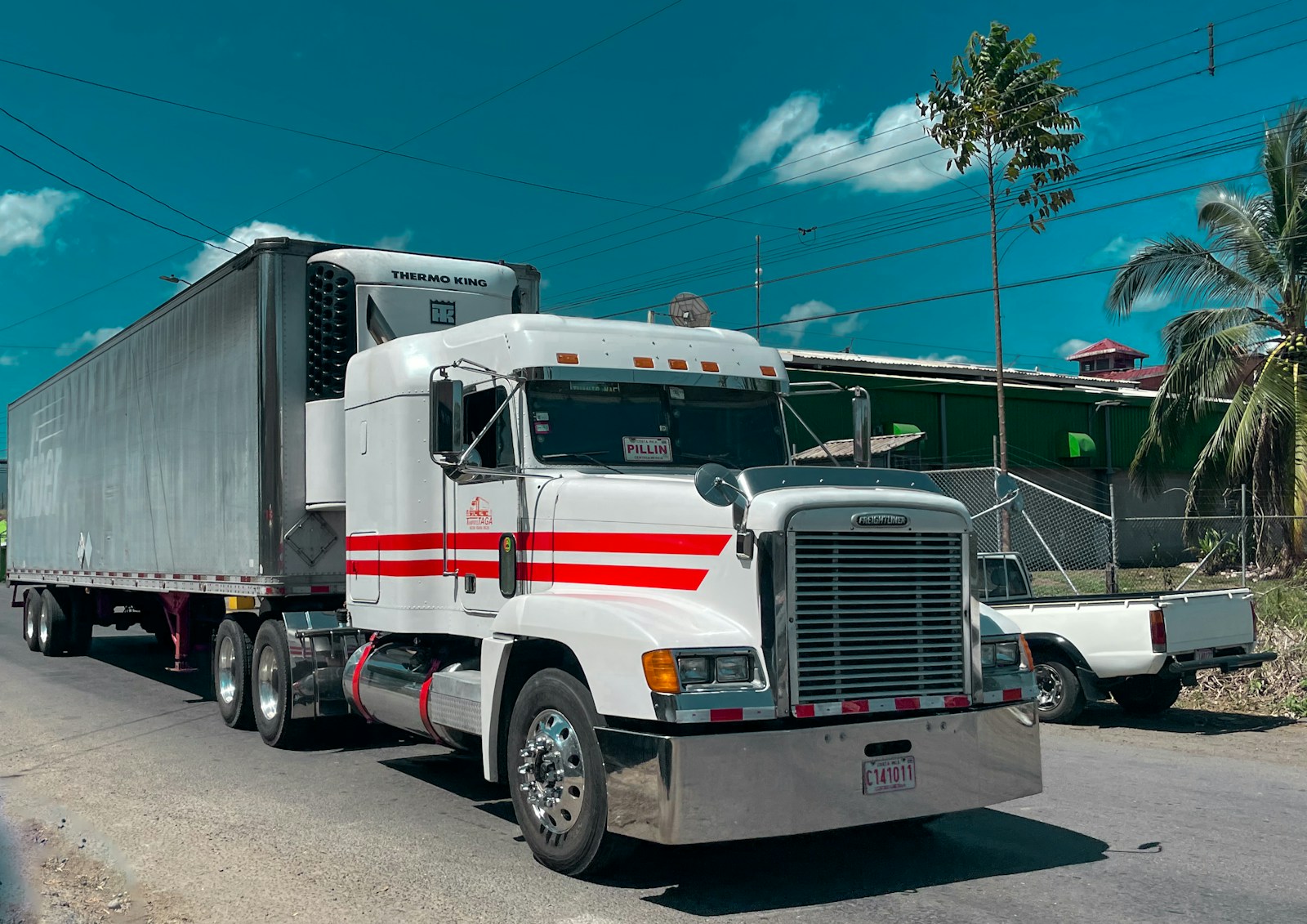
The 1970s saw a sudden surge of “luxury” sleeper cabs that added ten‑thousand‑dollar interiors to rigs that previously resembled metal boxes. Fleet owners chased the idea because drivers demanded hotel‑like comforts, yet the added weight ate fuel mileage just as oil prices began to climb. Federal emissions rules slipped in, forcing manufacturers to redesign chassis that could no longer support the extra mass without penalties. Insurance premiums spiked when a sleeper’s extra equipment was classified as “high‑value cargo” rather than essential vehicle. The whole experiment evaporated before the decade ended, leaving a legacy of stripped‑down cabins that still haunt modern design meetings.
Why did manufacturers gamble on $10‑$15k sleeper upgrades?
At the time, a typical long‑haul tractor cost roughly $30,000, so a $12,000 sleeper represented a 40 % price jump that seemed justified by promised driver retention. OEMs offered a catalog of plush upholstery, built‑in refrigerators, and even miniature televisions, all wired into the diesel’s auxiliary power system. Engineers had to reinforce the frame, add heavier springs, and install larger brakes to keep the rig within legal GVWR limits.
The gamble paid off initially because a handful of high‑paying contracts required “comfort‑first” specifications, and owners could charge a premium per mile. However, the extra weight translated into an additional 0.5 – 0.8 mpg of fuel consumption, a figure that became a liability when the 1973 oil embargo sent diesel prices soaring. The cost‑benefit equation flipped overnight, and the luxury sleeper became a liability rather than an asset.
Which regulations forced the trend to stall?
The 1974 Federal Motor Carrier Safety Administration (FMCSA) amendment introduced stricter limits on sleeper‑berth dimensions, citing crash‑worthiness concerns. Anything beyond a 30‑inch height triggered mandatory crash‑testing, a process that added several thousand dollars to each unit’s bill of materials. Simultaneously, the Clean Air Act’s Tier 1 standards forced manufacturers to downsize engines, reducing available torque for heavier cabs.

State‑level weight‑on‑highway formulas also changed, penalizing fleets that exceeded axle load thresholds with higher bridge tolls. Operators who kept the opulent sleepers found themselves paying extra per crossing, a cost that rarely appeared on the original purchase invoice. The regulatory cascade turned a once‑glamorous upgrade into a compliance nightmare.
How did driver expectations shape the market bubble?
Drivers in the early ’70s began to compare their rigs with the burgeoning motel culture, demanding climate control, soft‑bed mattresses, and personal entertainment. Surveys from the era show that 60 % of long‑haul drivers would switch carriers for a “home‑like” sleeper, a statistic that fueled aggressive sales pitches. Yet many drivers never experienced the promised amenities because the added weight caused frequent breakdowns, forcing unscheduled stops and eroding the very comfort they sought.
The mismatch between expectation and reality created a feedback loop: drivers complained about rusting cabinets, manufacturers rushed to install cheaper laminate, and fleets responded by retrofitting older cabs with basic bunks. By the late 1970s, the market had saturated with half‑finished luxury attempts that failed to meet the original hype, prompting a swift retreat.
What engineering shortcuts doomed the luxury sleepers?
To keep prices attractive, some manufacturers substituted steel framing with thinner high‑strength alloys that behaved unpredictably under load. When a sleeper’s mass shifted during cornering, the chassis flexed beyond its design envelope, leading to premature suspension failure. Additionally, the auxiliary power units (APUs) were often borrowed from light‑duty trucks, lacking the capacity to run both HVAC and entertainment systems simultaneously.

Heat buildup inside the insulated cabin also proved problematic; early HVAC units struggled to vent exhaust fumes when the sleeper sat atop the engine tunnel. The resulting condensation corroded wiring harnesses, triggering electrical fires in a handful of documented incidents. Those failures gave regulators a concrete reason to tighten safety standards, sealing the trend’s fate.
Practical steps to restore a 1970s sleeper without breaking the bank
Start with a structural audit. Hire a chassis specialist to measure frame flex under a simulated load; expect an inspection fee between $300 and $800 depending on location. Replace compromised springs. Heavy‑duty leaf packs for vintage rigs typically run $150 – $350 per axle, and a set of two will restore ride quality without adding excess weight. Upgrade the APU. Modern compact APUs designed for retrofits cost roughly $1,200 to $2,000 and deliver enough power for climate control while staying within original emissions envelopes. Install modular insulation. Foam panels that fit between the cab and the sleeper frame run $30 to $60 per sheet, offering moisture barriers without the bulk of original fiberglass blankets. Fit a low‑profile bunk. A steel‑frame bunk with a high‑density foam mattress can be sourced for $200 to $400, providing a comfortable sleep surface without the ornate woodwork that drove early costs skyward.
Each upgrade should be documented with receipts, and the total budget will likely fall between $2,500 and $4,500, a fraction of the original luxury package yet sufficient to meet today’s driver comfort expectations.
What to double‑check before you sign any invoice
Verify that the chassis reinforcement matches the exact GVWR rating listed on the vehicle’s compliance plate; an over‑reinforced frame can trigger unnecessary tax assessments. Confirm that the APU model carries the current EPA certification number; undocumented units may void warranty coverage. Scrutinize the warranty language on suspension components, ensuring that wear‑and‑tear exclusions do not leave you responsible for premature failure. Finally, cross‑reference the supplier’s part numbers with the original OEM catalog to avoid counterfeit fittings that could compromise safety.
By tracing the rise and fall of the sleeper‑cab luxury experiment, today’s engineers can see how a blend of market pressure, regulatory shift, and engineering compromise can turn a profitable trend into a cautionary tale. The lessons echo in every modern rig that balances driver wellbeing with fuel efficiency and compliance.